
About
Olive + Oak
The name is an ode to symbolism found in nature; an olive branch indicating peace and the oak tree representing strength, confidence, stability, and knowledge.
A sense of inner peace, trust, and security is what comes to mind when I think about what wellbeing means.
Mental health is not the absence of pain or unwanted thoughts and feelings. Rather, it's seeing them for what they are and responding with kindness and understanding.
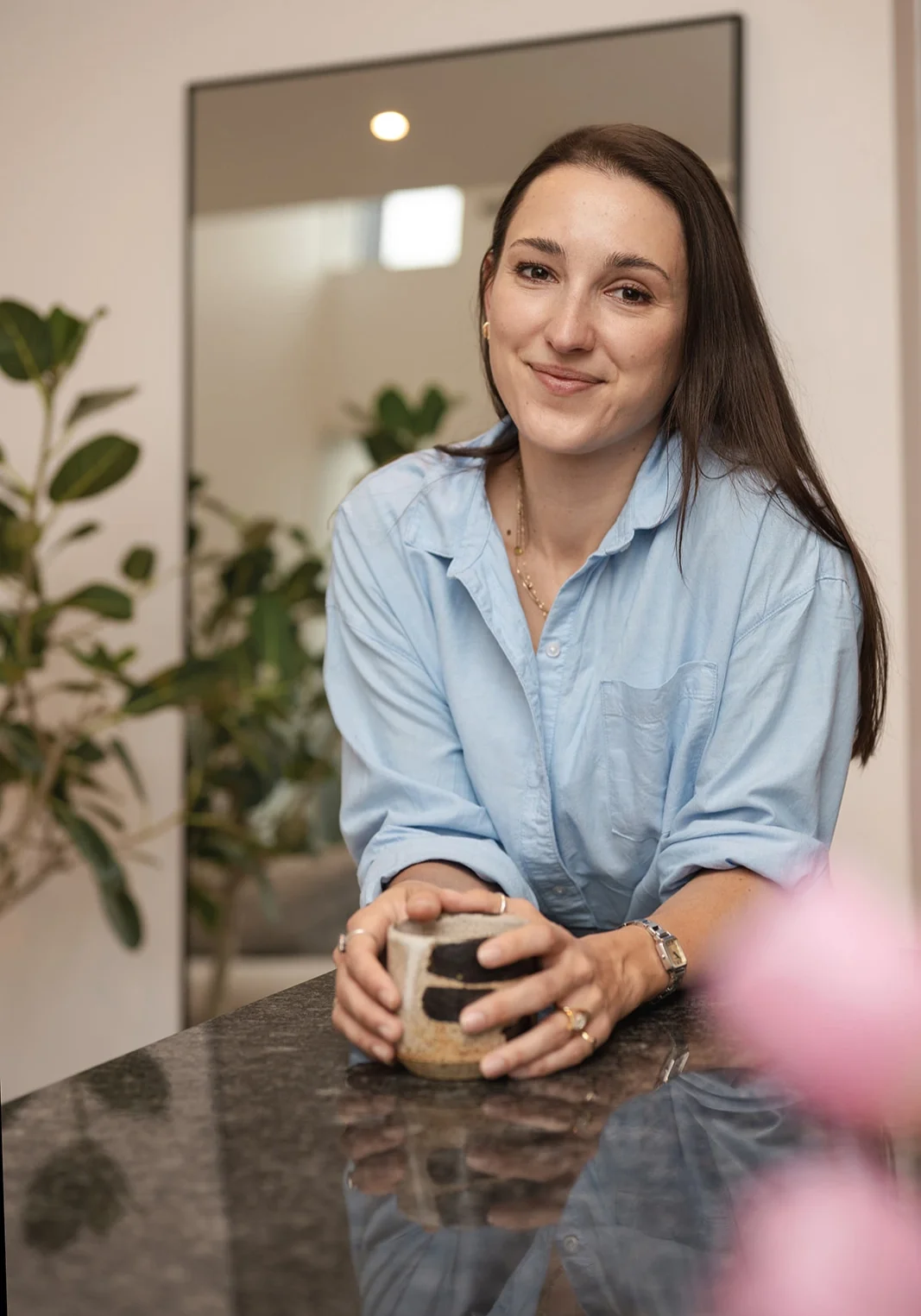
Working with Corinne
I offer a warm and open space for facing complicated thoughts and feelings through a lens of compassion and curiosity. When we learn to tune in and listen to the messages our mind and body send, they can serve as a road map to where we've been, what we need, and where we hope to go.
I have the privilege of working with people to help cultivate a sense of emotional anchoring inside, even when the hard ‘stuff’ shows up.
My practice is founded on values of compassion, security, and respect for those seeking a soft place to land and process. My therapeutic style can be described as genuine, relational, and engaged. I listen intently, care deeply, and offer presence and practical tools to support your evolution.
In nearly a decade of practice, I've found that positive outcomes in therapy are less about specific interventions (although these can be quite helpful!), and more about your process and sense of security and connectedness in the therapeutic relationship.
Therapeutic Approach
INTEGRATIVE
People are complex! Emotions are nuanced! It's because of this that I I use interventions from different research-backed approaches based on your needs.
PERSON-CENTERED
You are the expert on yourself and your life. In our sessions, your voice will be heard. Our collaboration helps build a deep understanding, connection, and better equips us to make progress in areas that are important to you.
EVIDENCE-BASED
Any strategies, skills, or practices that I bring forward are informed by evidence-based therapies, which means they have been tested in research settings and proven to have benefits in wellbeing and mental health outcomes.
Modalities
ACCEPTANCE AND COMMITMENT THERAPY (ACT)
A modern cognitive behaviour therapy that involves mindfulness, improving our relationship with our thoughts and feelings, and living out values close to our heart. Emotions are information! ACT helps you turn towards your emotions with curiosity, non-judgment, and compassion, and connect more deeply with your 'why'.
PSYCHODYNAMIC
Together, we can unpack early years and growing up. Inner child work can be a powerful process for making meaningful emotional shifts.
COGNITIVE PROCESSING THERAPY (CPT) FOR PTSD
A 6-12 session structured therapy to process traumatic events with compassion, understanding, and integration.
Services
Therapy for Individuals
Does your mind bring you back to familiar unpleasant memories, thoughts, and feelings? Do you find yourself repeating destructive patterns in your relationships? Are you curious about getting to understand yourself and your reactions on a deeper level? Are you facing challenges at work that you're unsure how to navigate? Do you simply need space to breathe, feel, and process?
Individual therapy is a secure space where we'll unpack the weight you carry.
Areas I support:
- Anxiety
- PTSD and Trauma Recovery
- High-Functioning Anxiety and Perfectionism
- Grief and Loss
- Burnout Recovery
- Self-Discovery
- Insecure Attachment and Relationship Dynamics
- People Pleasing
- Self-Esteem and Body Image
Therapy for Couples
Couples face a multitude of challenges together as they go through life. Somewhere along the way there's bound to be an opportunity for pause and reflection.
Couples may benefit from having a shared therapeutic space to have important conversations that go a little differently than they're used to. Together, we create a space that fosters curiosity, openness, and compassion.
We learn to listen without an agenda. We learn to reflect because it inspires connection and intimacy. We learn to talk because it builds understanding and trust.
Couples therapy is a space to get unstuck, explore new ideas, develop deeper understanding, come to decisions, or experience a new kind of relationship with your partner.
Therapeutic Modalities:
- The Gottman Method
- Emotion-Focused Therapy (EFT)
A bit about me
Hi,
First of all, thank you for being here (literally and figuratively).
While I'm not concise enough to share my whole life story in a few lines, I wanted to share a bit about myself, as the person you could be sitting yourself across from and sharing your story with.
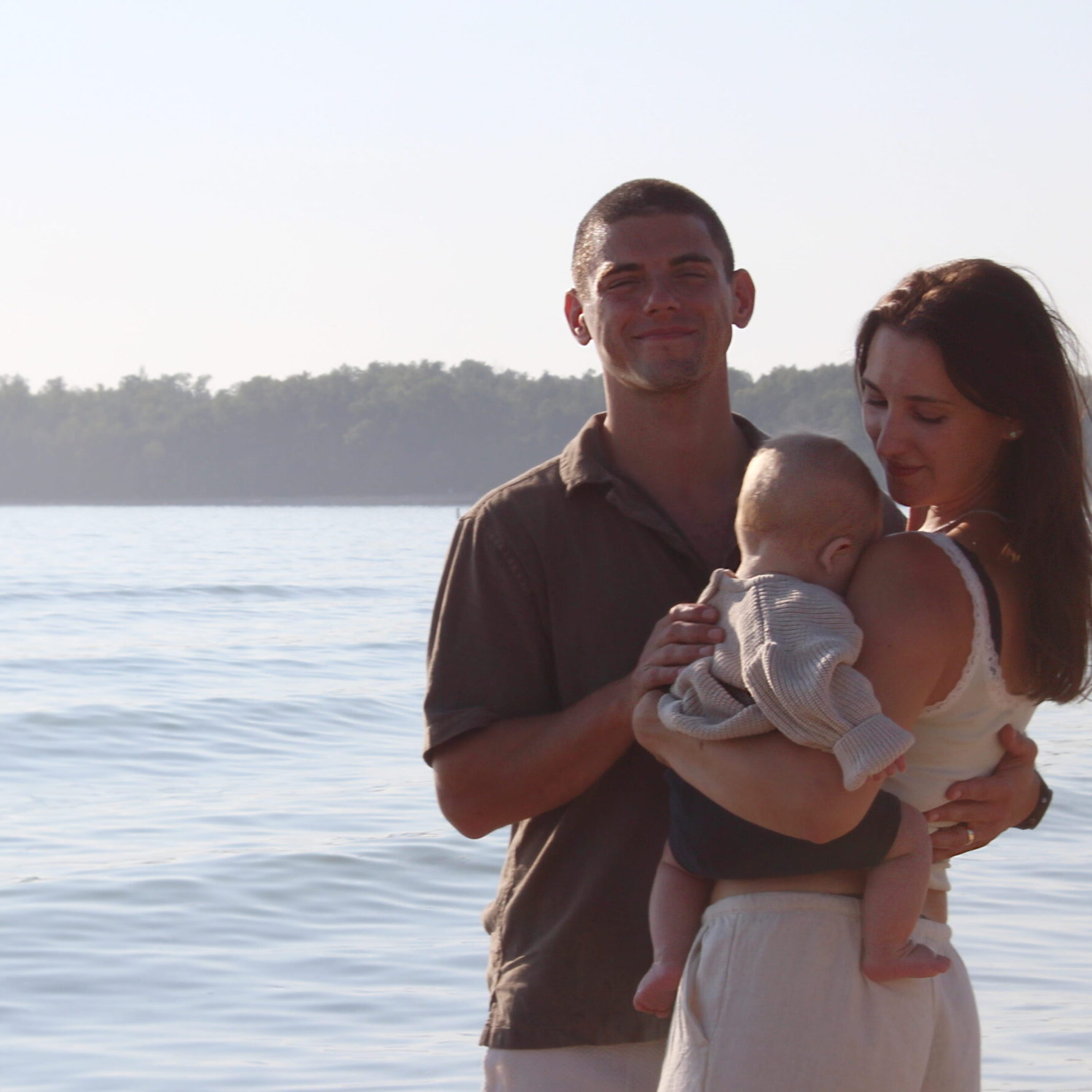
My relationships are everything to me. Relationships with those in my personal life and relationships with the people I get to sit across from. I'm a mother, wife, sister, daughter, friend, psychotherapist, adventurer, creative, lover of the little things, observer, mental health advocate, admirer of beautiful spaces and places, and lifelong learner. I see the spectrum of emotions as a vital part of living a full, rich, and meaningful life. Big feelings don't scare me!
How did you get into the field?
There wasn't one thing that inspired me to pursue psychotherapy as a career. Looking back, I've always been a bit of an observer of the world and the dynamics that surrounded me. Somewhere along the way it became second nature to attune to my emotional environment. Being a sensitive person has helped me connect with people and appreciate we're all just out here trying the best we can with what we have available to us.
What started as a journey of self-discovery and perhaps an attempt at healing parts of myself through education, became a practice of sitting in vulnerability and uncertainty with others, and creating meaningful change in the process. I have been humbled by this work more times than I can count, and I'm constantly in awe of the people I work with.
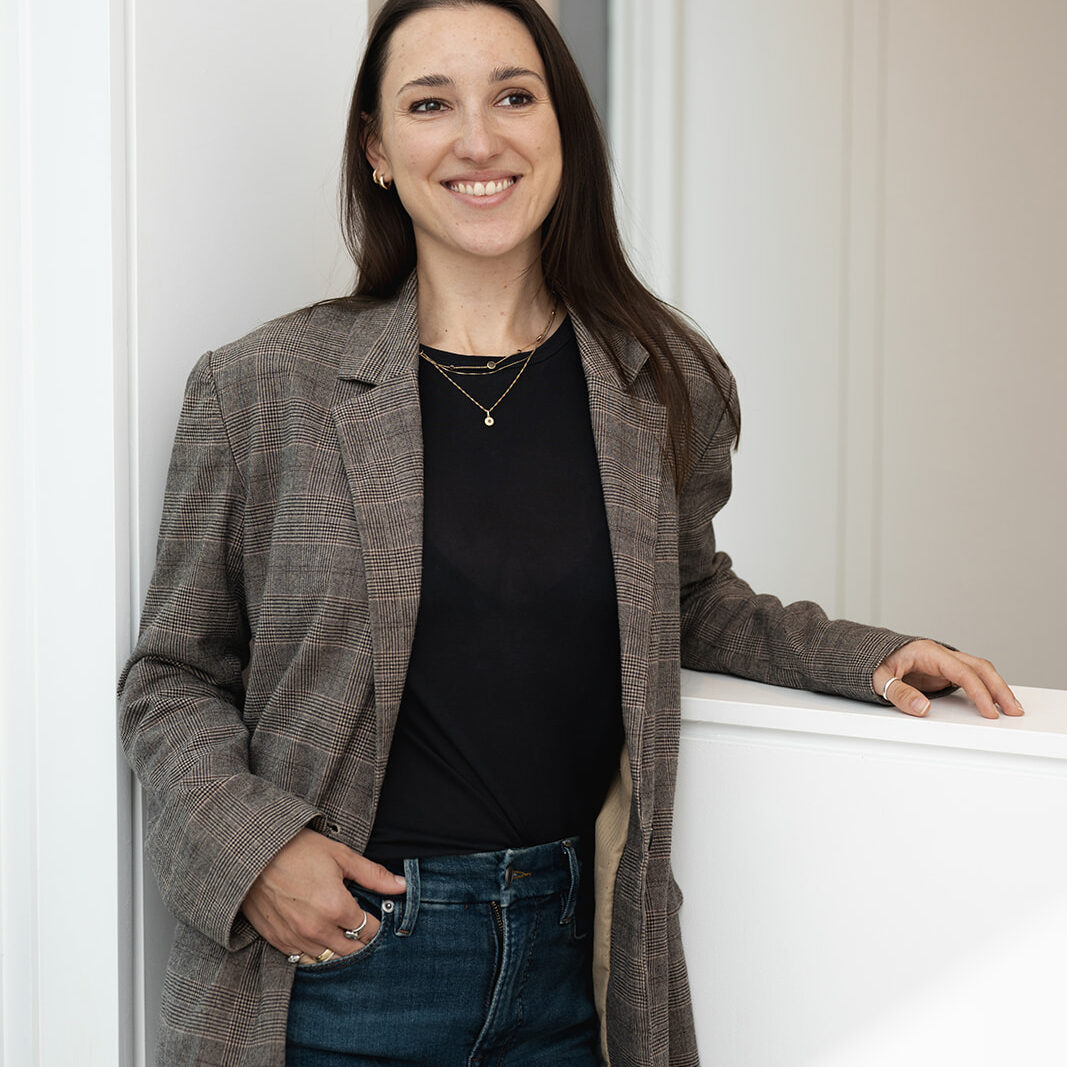

I practice integrative and client-centered psychotherapy because it allows space for a genuine therapeutic relationship to form.
Worksheets, practices, and psycho-education are typically most helpful in the context of a solid foundation of rapport. And, the reality is emotional processing (and human behaviour) tends to be a lot more nuanced than structured therapies allow.
Over the years, I've witnessed lasting transformation happen in the context of a secure and connected relationship, and the work that is done between sessions, outside of the therapy room.
Having the privilege of working authentically with others as they go through challenges is why I do what I do; leading with non-judgment, openness and compassion first.
I'd love to meet you! 🙂